Current Issues in the UK
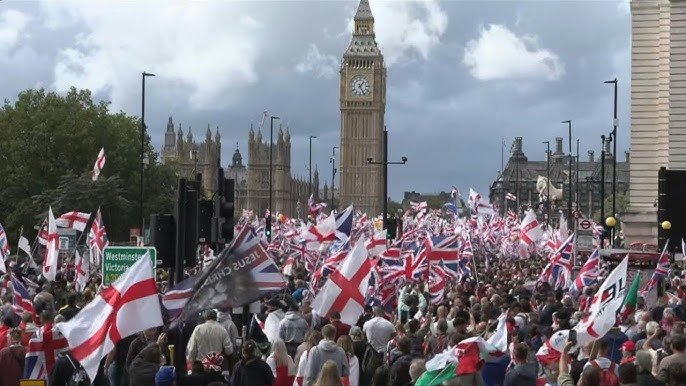
The United Kingdom is facing a moment of reckoning. Immigration, cultural identity, and community cohesion dominate national debates. While far-right marches and counter-protests make headlines, the deeper issue is how Britain will balance diversity, social unity, and economic stability in the years to come.
Minority communities report rising incidents of hate crime and intimidation. At the same time, local councils, charities, and grassroots movements are working hard to strengthen inclusivity and provide safe spaces.
What Is Happening Now
- Protests and demonstrations continue to highlight divides over immigration and faith.
- National symbols such as flags are being politicised, creating new tensions around identity.
- Muslim and minority groups are pushing for stronger protection and fairer representation.
- Government discussions are underway on policing protests, addressing hate speech, and clarifying the legal definition of Islamophobia.
Why This Matters
Multiculturalism has long been a pillar of the UK’s global reputation. From London to Manchester, diversity powers the arts, food, finance, and technology. But polarisation and online misinformation are eroding that strength.
This matters because:
- Social cohesion supports economic growth—unstable societies deter investors.
- Diverse workforces drive innovation and productivity.
- Polarisation carries hidden costs, from policing extra protests to repairing vandalised infrastructure.
The Financial Impact on the UK
Social tension does not just affect communities; it hits the economy too.
- Investor Confidence: Political unrest and visible divisions can unsettle international investors, especially in sectors like finance, real estate, and tech. London’s reputation as a safe, global hub is at risk if instability persists.
- Local Economies: Areas experiencing protests or targeted hate crimes often see drops in footfall, reduced tourism, and strained small businesses.
- Public Spending: Policing protests, providing security for religious sites, and repairing vandalism come at a direct cost to taxpayers.
- Workforce and Talent: If skilled migrants or second-generation professionals feel unwelcome, the UK risks a “brain drain” as talent looks abroad.
Ultimately, a divided Britain is an expensive Britain. Stability and inclusivity are not just moral imperatives—they are financial necessities.
The Impact on Communities
For British Muslims and other minorities, daily life has grown more uncertain. Families worry about safety near mosques, and young people question where they belong in modern Britain.
Yet resilience is visible. Communities are building interfaith alliances, reclaiming symbols from extremist narratives, and engaging more actively in local politics. The drive for unity is strong, even amid adversity.
The Future of the UK
Britain’s future depends on whether it leans into division or unity. Three paths lie ahead:
- Economic and Social Decline – unchecked division damages investor trust and deepens community isolation.
- Stagnation – short-term management of tensions without solving underlying issues keeps the UK in a cycle of protest and uncertainty.
- Inclusive Growth – by embracing multiculturalism and tackling hate head-on, the UK can protect its communities while boosting innovation and economic prosperity.
Final Thoughts
The UK’s identity has always been shaped by migration, diversity, and adaptation. The question today is whether it will let division define its future—or whether it will harness multiculturalism as both a social and financial strength.
A cohesive Britain is not just a safer place—it is also a more prosperous one.