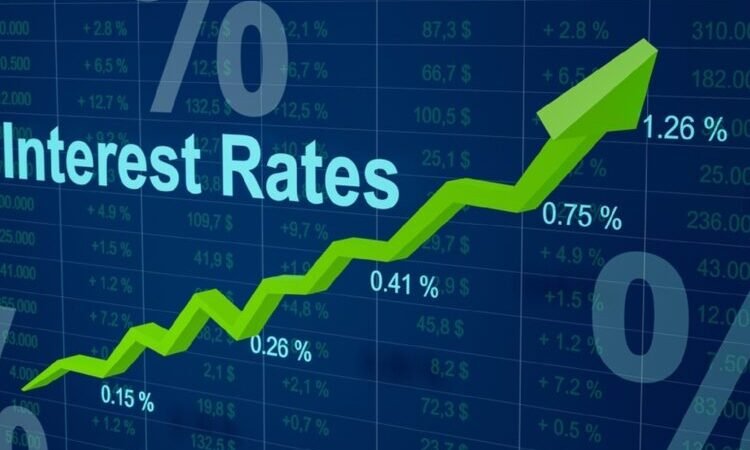
Interest rates in the UK have climbed steadily over the past two years as the Bank of England attempts to tame stubborn inflation. While these rate hikes are designed to stabilise the economy, they affect households and businesses in very different ways. Understanding the impact is essential for making smart financial decisions in 2025.
Why Are Interest Rates Rising?
The Bank of England uses interest rates as a tool to control inflation. When prices rise too quickly, higher borrowing costs are meant to reduce demand, slow spending, and encourage saving.
In 2025, although inflation has cooled compared with the post-pandemic peak, it remains above the Bank’s 2% target. Rate rises are intended to strike a balance: bringing inflation down without tipping the economy into recession.
The Impact on Mortgages
For homeowners, the effect is immediate and painful:
- Variable and tracker mortgages have become more expensive as repayments climb each time the Bank Rate increases.
- Fixed-rate mortgages offer short-term protection, but many deals due for renewal in 2025 are far higher than the ultra-low rates seen during the 2010s.
Tip: If your deal is due to expire within 6–12 months, consider speaking to a broker early to lock in a rate.
Savings: A Silver Lining
Higher interest rates can work in savers’ favour. Banks and building societies are finally offering competitive returns on cash savings, with some easy-access accounts now paying well above 4%.
Tip: Don’t settle for the rate at your current bank. Shop around for the best ISA or savings account, and consider laddering fixed-term products for flexibility.
Loans, Credit Cards, and Debt
Unsecured debt is where households feel the squeeze:
- Personal loans, car finance, and credit cards now carry higher interest charges.
- Minimum repayments may cover less of your balance, increasing the risk of long-term debt.
Tip: Focus on paying down expensive borrowing first. If possible, consolidate high-interest debt into a lower-rate personal loan.
Investments and Pensions
Stock markets often react nervously to rising interest rates, as borrowing costs rise for businesses and investor appetite shifts. However:
- Bonds and gilts may look more attractive in a higher-rate environment.
- Pension funds tied to equities may see short-term volatility, but long-term investors should focus on diversification rather than panic.
Renters and the Housing Market
Landlords facing higher mortgage costs are passing them on to tenants. This has pushed rents in many UK cities to record highs, leaving renters squeezed with little relief in sight.
Tip: If you’re renting, budgeting for annual rent hikes is now crucial. Renters’ unions and tenant support groups may also help negotiate fairer terms.
How to Protect Your Finances in 2025
- Review your mortgage and lock in deals early.
- Switch to high-interest savings accounts to benefit from rate rises.
- Reduce expensive debt before it becomes unmanageable.
- Diversify investments to weather market volatility.
- Budget for higher rent or housing costs.
Final Thoughts
Interest rate rises are reshaping the financial landscape in the UK. For some, they bring welcome relief through better savings returns. For many others, particularly those with mortgages or high debt, they create real pressure.